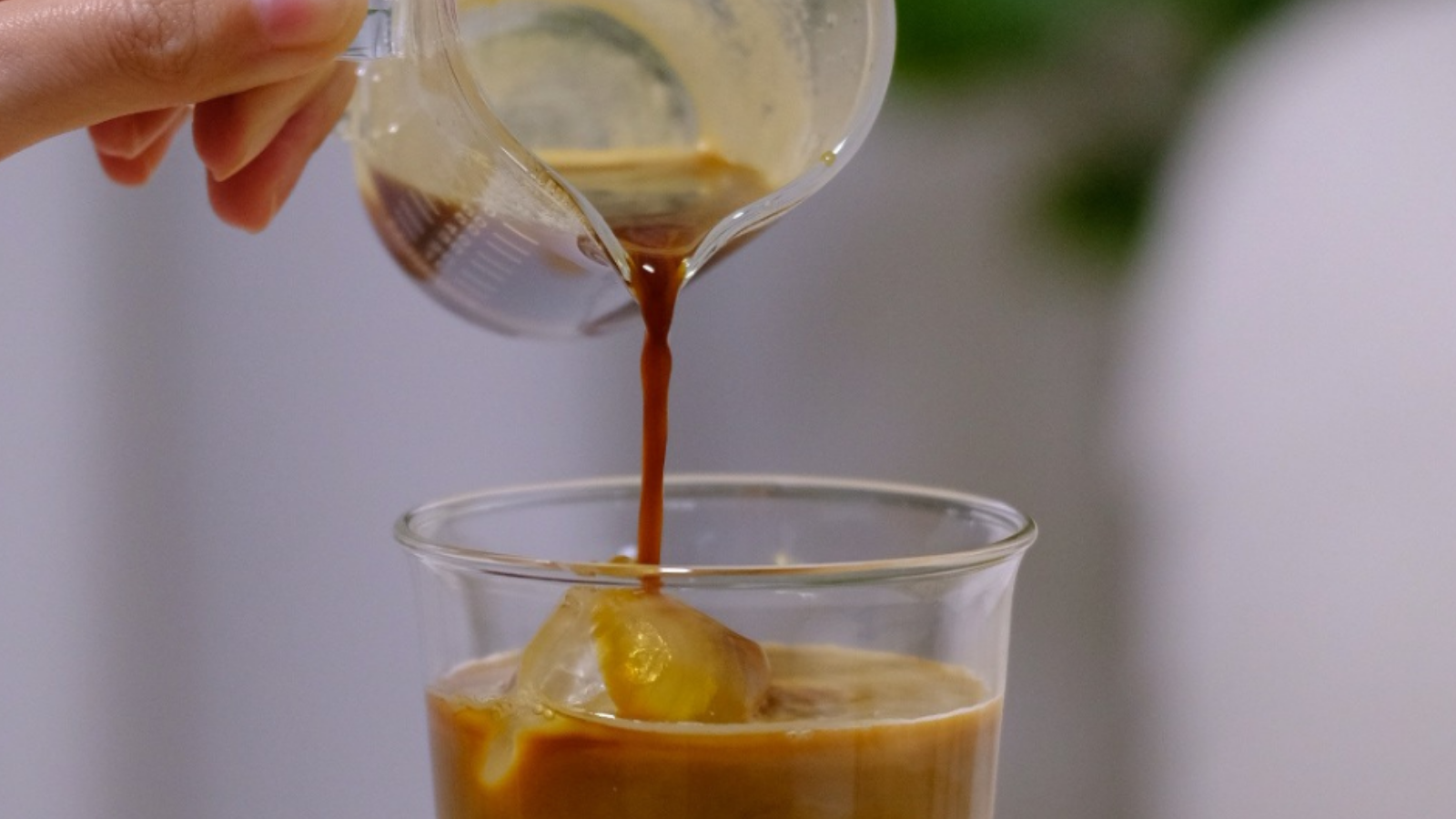
Seven months ago, I started a home-based beverage business in Singapore.
It wasn't anything fancy, all I had was just a simple… plenty of curiosity to experiment.
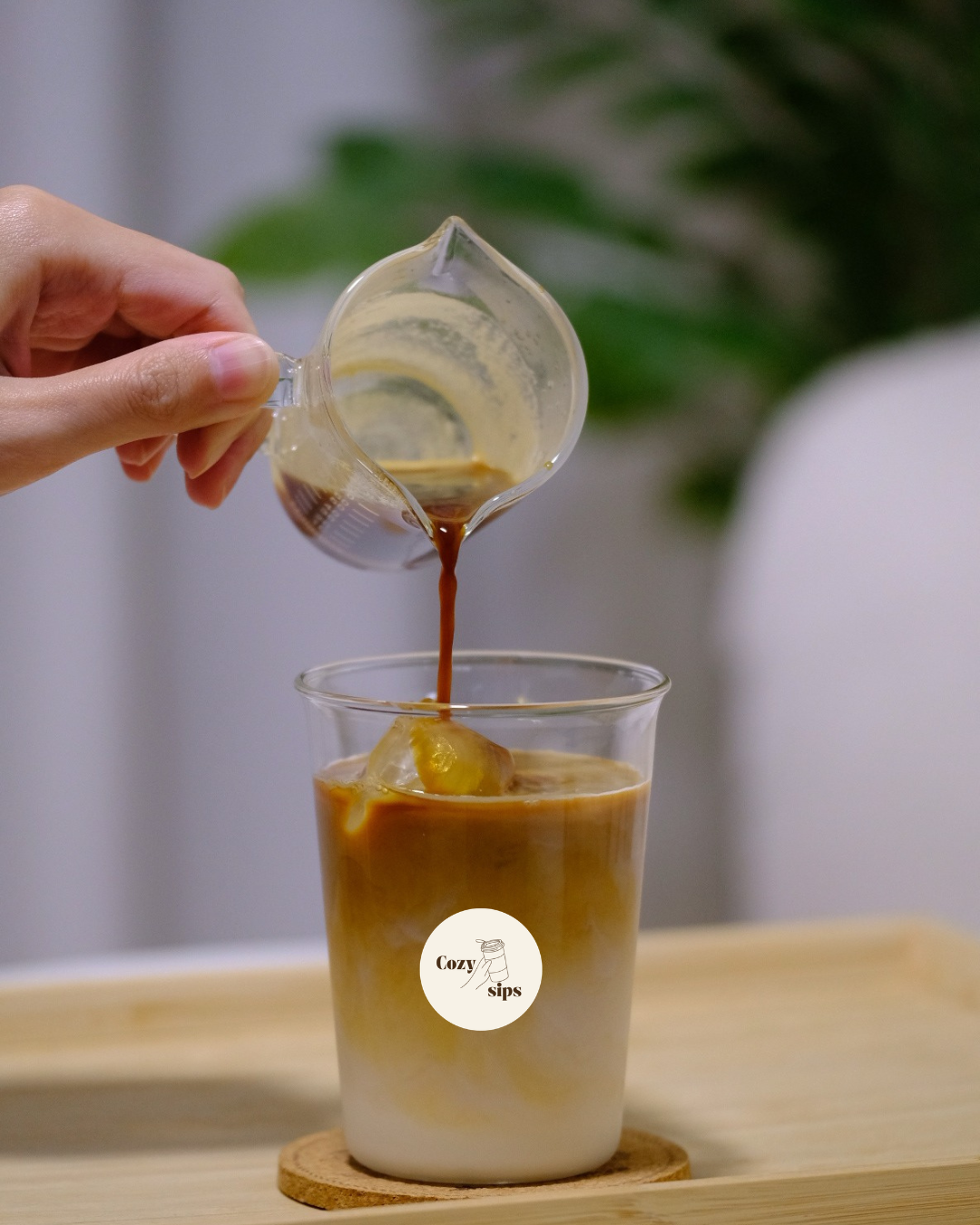 When I first shared my plans with people around me, I received a lot of well-meaning suggestions, "Provide more variety", "More options", "Follow trends" yada yada.
All of them are valid and understandably so, since it is a business that thrives on volume, isn't it?
But as a one-person team just starting out, it was overwhelming.
Then a friend said something that stuck:
"If you're running it alone, keep your offerings tight."
It was practical advice and something I could realistically implement, so I built my business around that.
Seven months in, it remains my guiding principle and has helped me sustain the business without burning out.
Why "keeping it tight" worked
Running a home-based business in Singapore comes with its own set of constraints such as limited storage space and retail-priced ingredients.
Here's how keeping my menu focused helped:
1. Keep the cost of goods manageable
I don't need to stock a wide range of perishable ingredients that might expire before I even use them. With fewer items, I could buy more intentionally and reduce unnecessary waste. Most importantly, it helps to keep my ingredients fresh.
2. Focus on developing a few hero products rather than pushing out many average ones
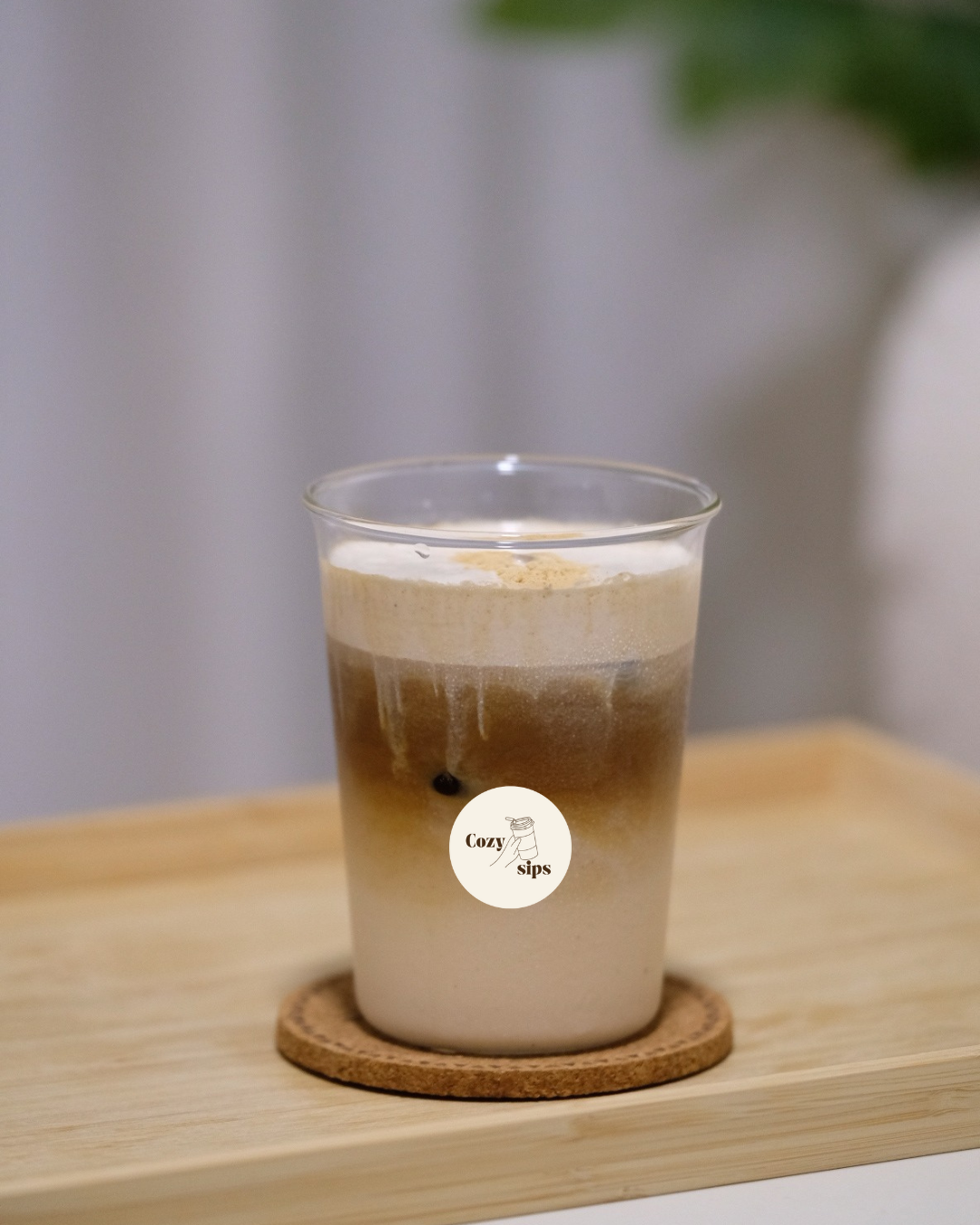
Instead of trying to do everything, I focused on a few "hero" drinks.
By ensuring I have full confidence in every drink, no drink is a filler and definitely not there for variety.
One of our hero products, the Kinako Latte:
 3. Prioritise quality and consistency with fewer variations
When you're a one-person operation, consistency is everything. A tighter menu meant I could actually deliver the same quality every time, without spreading myself too thin.
Staying focused, but not stagnant
While I kept things tight, it didn't mean staying rigid.
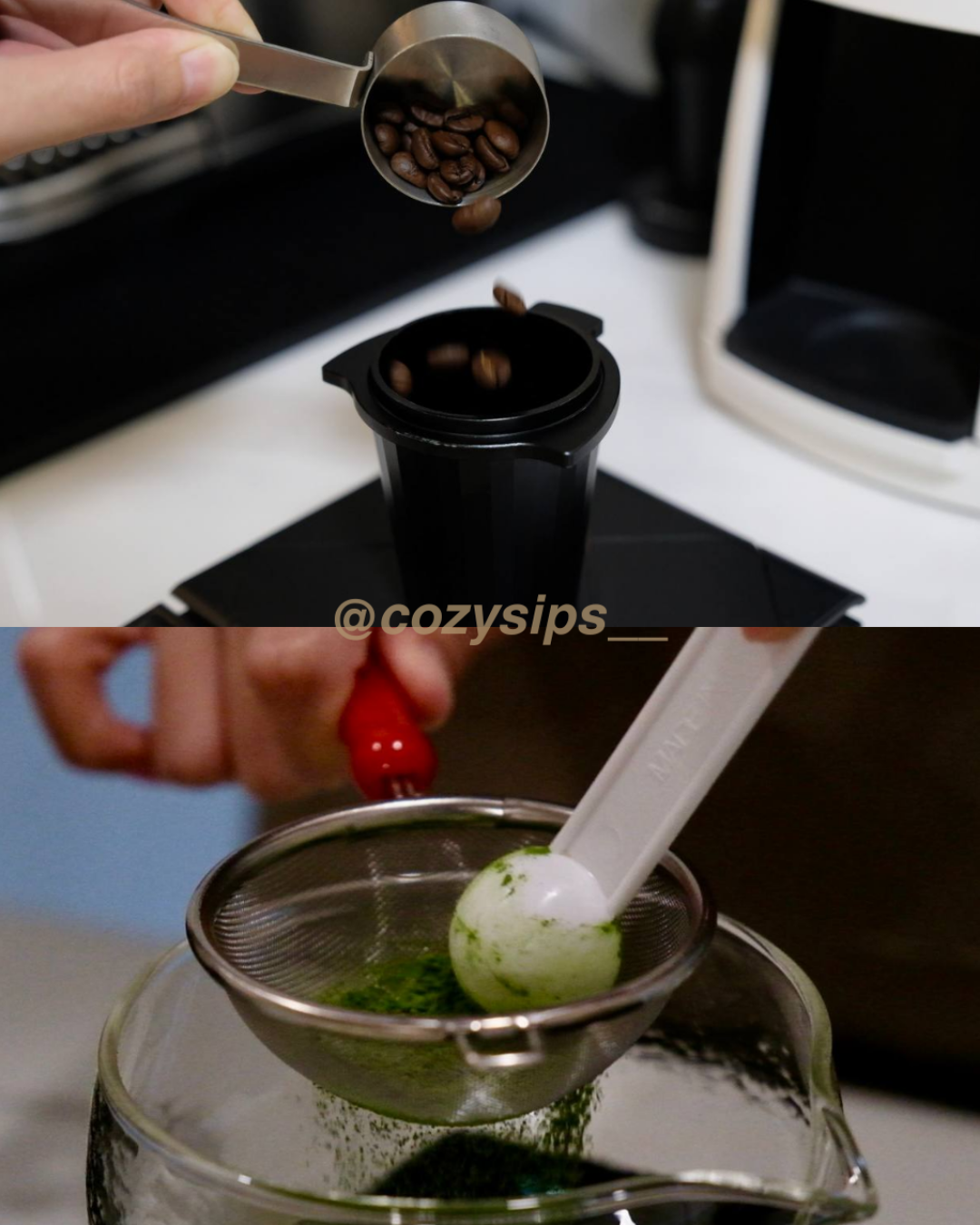
Behind the scenes, I continue to explore and experiment with flavours whenever inspiration sparks. Some ideas never make it past the testing phase, and that's okay. I would rather serve fewer things that I'm proud of than more things I feel "meh" about.
I realised that I needed conviction in my products. If a flavour doesn't feel right during R&D, it doesn't make it onto the menu.
 The underlying fear: "Am I limiting my growth?"
While I chose to keep my menu tight to prioritise quality and consistency, there were moments where doubt crept in. I'd be lying if I said I never worried about the scale of my offerings.
Occasionally, I found myself asking:
- "Is my menu too limited?"
- "Does the lack of variety hinder my growth?"
Over time, I started seeing things differently.
More isn't always better. Sometimes, doing a few things really well is what makes people come back.
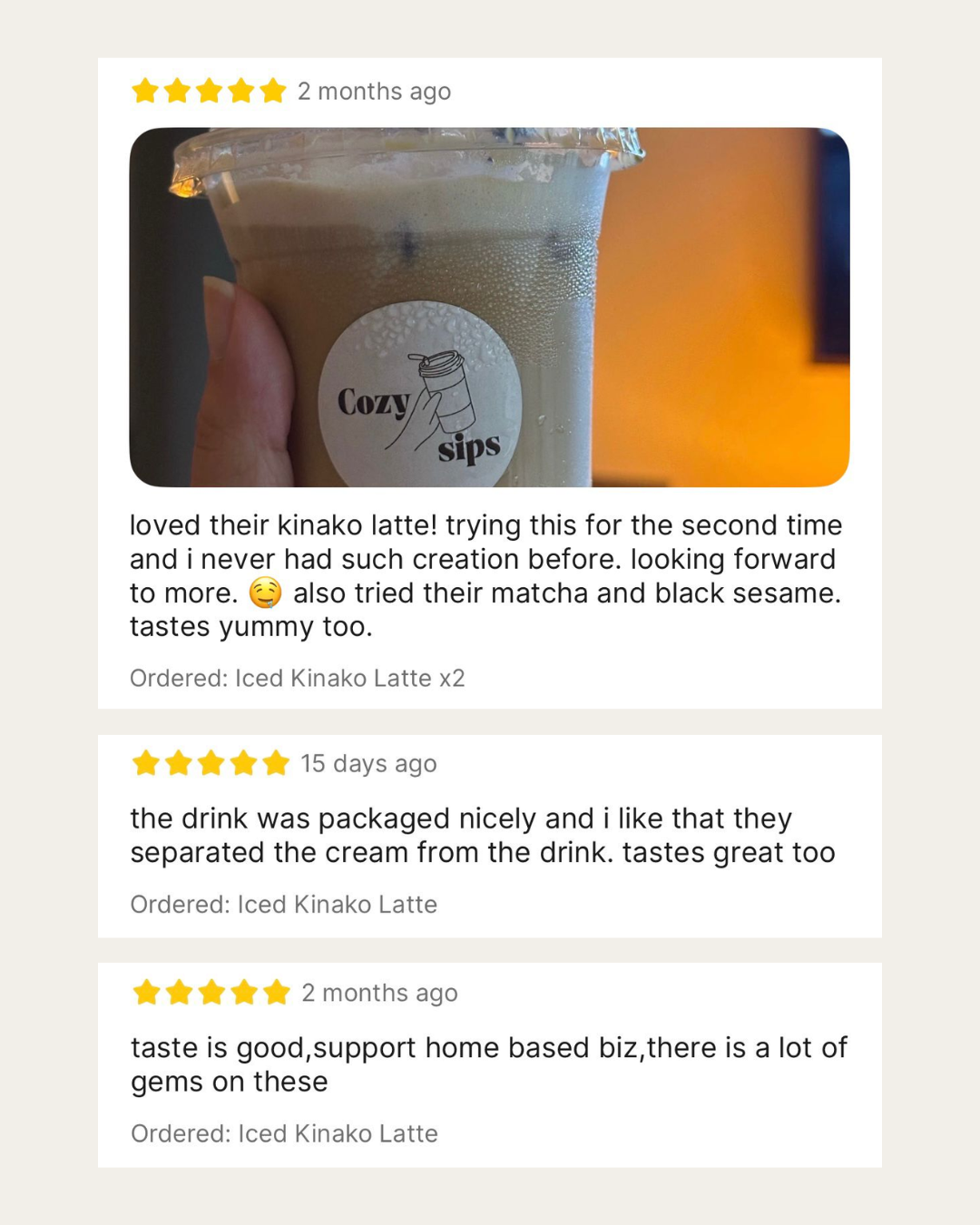
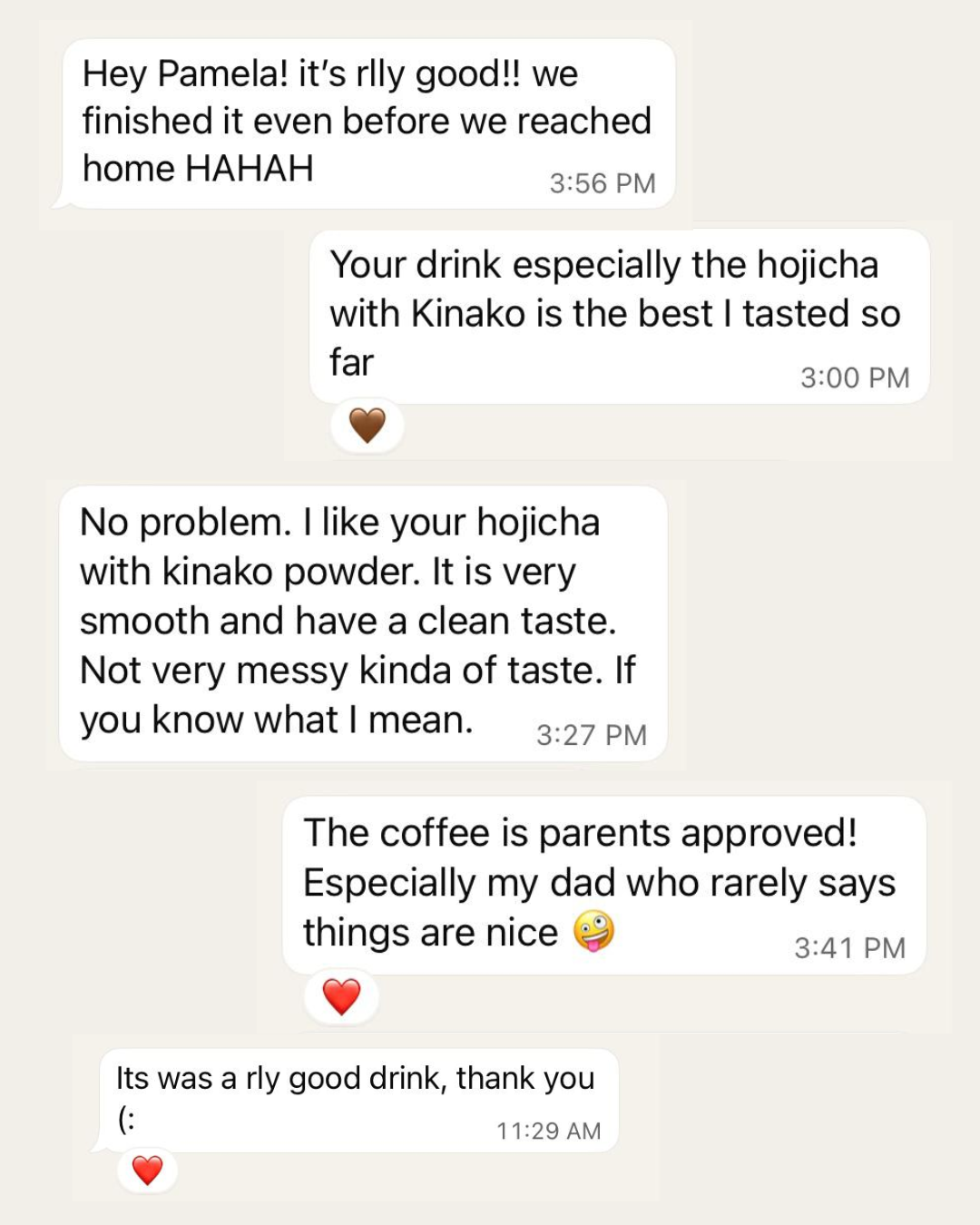
Here's what my customers shared:
What I've learned (so far)
Seven months in, I'm still learning along the way. However, if there's one thing I would share with anyone starting a home-based business, it's this: build something you can sustain.
Something you can run realistically without burning out.
In my case, it meant:
- A focused menu
- Clear priorities
- Saying "no" more often than "yes"
For now, my approach has given me the space to show up consistently, maintain quality, and still enjoy the process.
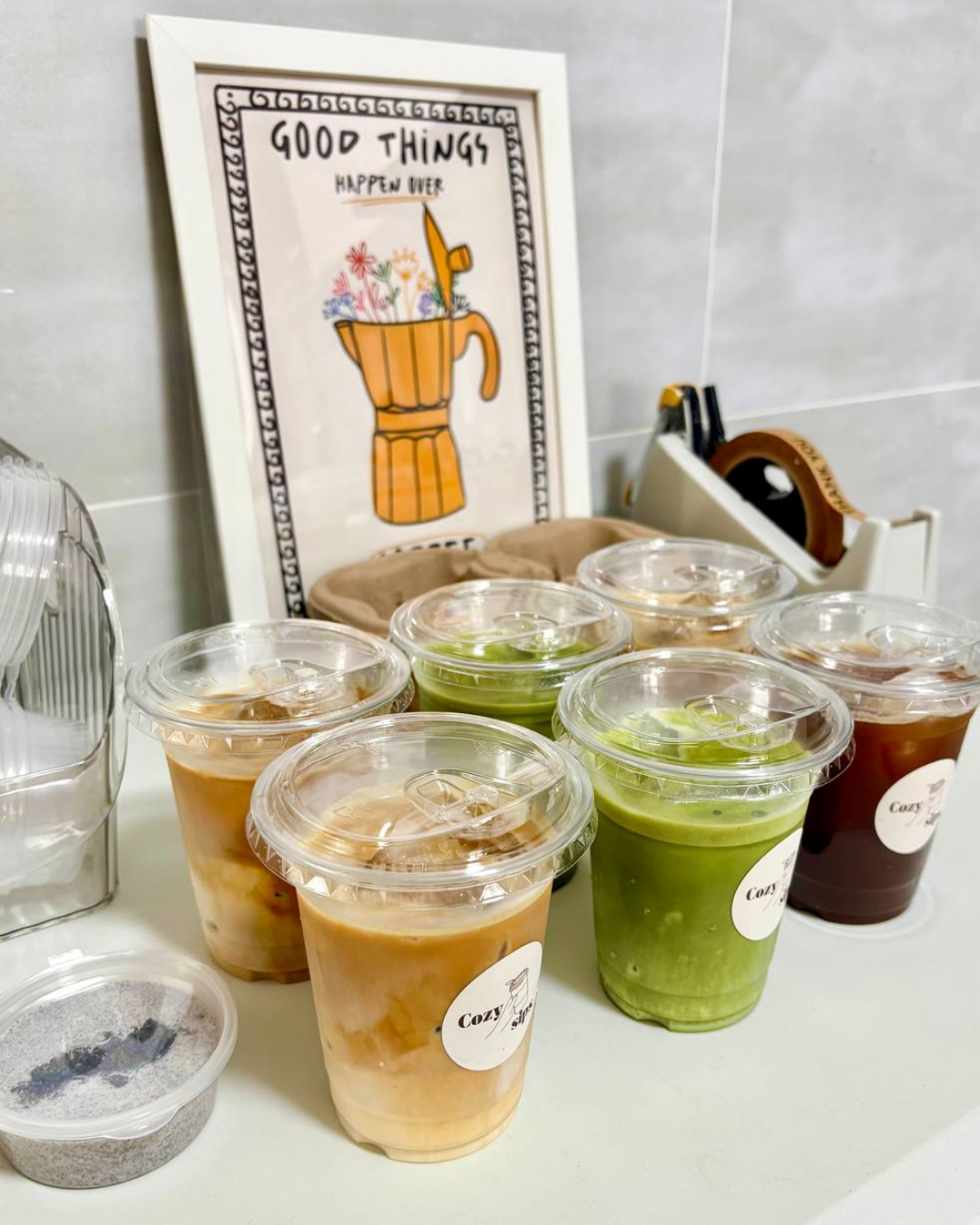 It may not be the fastest way, but it's an approach that works for me and one which I strongly believe in.